Mar 100FeatureMagic Fabric
Do I Own My AI Art?
Generative AI has turned the concept of art on its head, making it possible for anyone to create images with just a few clicks. But who really owns the copyright to these works? Is it the creator, the owner of the AI model, or no one at all?
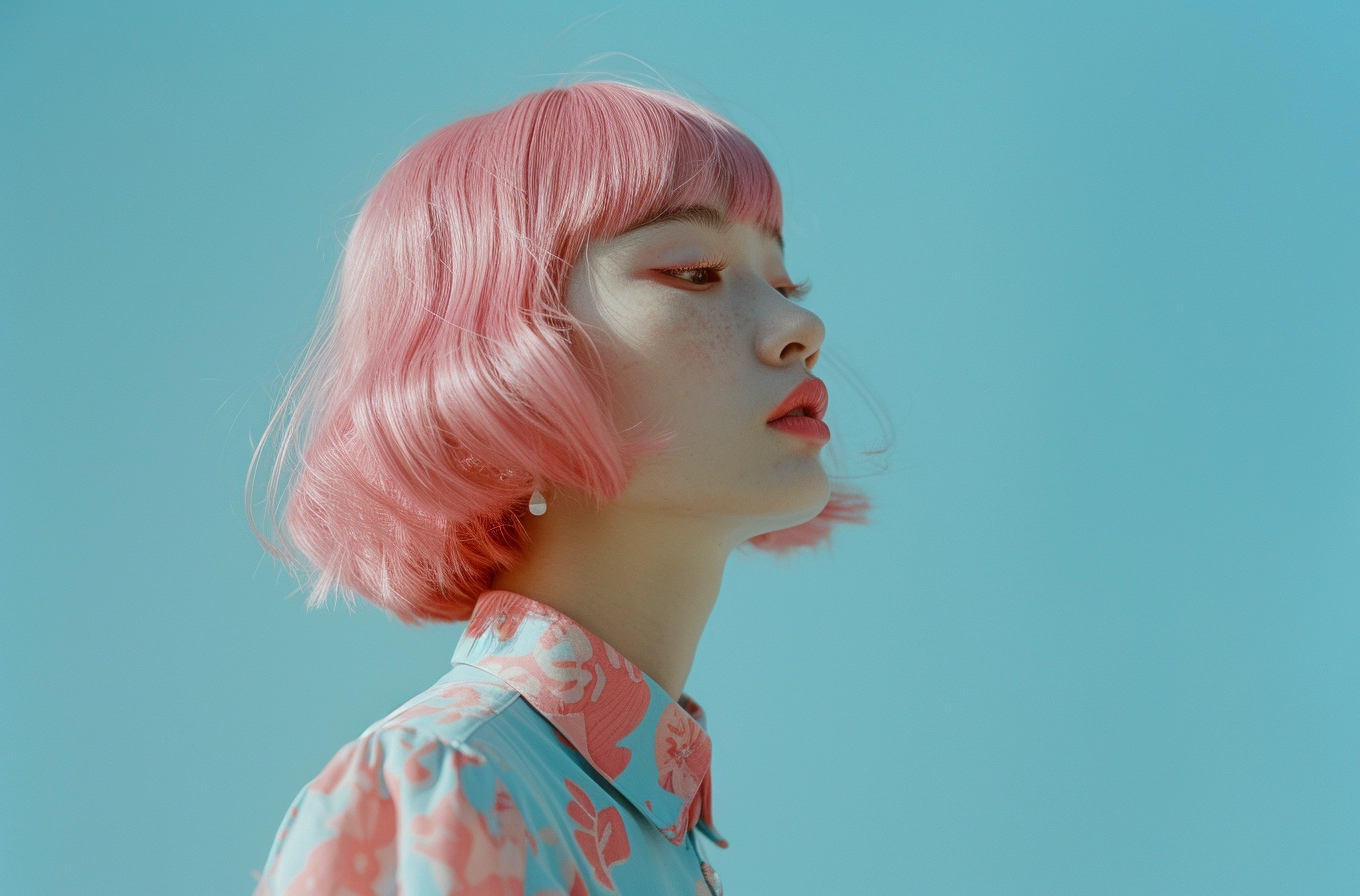
Generative AI has turned the concept of art on its head, making it possible for anyone to create images with just a few clicks. But who really owns the copyright to these works? Is it the creator, the owner of the AI model, or no one at all?
The short answer is: if you generate an image using AI, you do not automatically own the copyright to it.You may have the right to use the image, including commercially, depending on the terms of the AI platform. But usage rights and copyright ownership are not the same thing.
Copyright around AI generated art is a complex issue and is interpreted differently depending on where in the world it is applied. Generally, both the US and EU place significant importance on human authorship when determining whether something can receive copyright protection. This means that simply entering a prompt and generating an image may not be enough to claim copyright over the result. If you take an AI generated image and continue working on it yourself, the situation becomes more nuanced. Human additions and modifications can potentially receive copyright protection if they contain sufficient original creative expression. But simply retouching an image, changing the lighting or replacing a few objects does not automatically give you copyright over the entire AI generated image.With the rapid development of AI tools capable of creating images, text and other content, both Europe and the US are now faced with the challenge of applying existing copyright frameworks to a completely new way of creating.
So, what is the situation regarding copyright for AI generated art in 2024?
Europe
In Europe, there is still considerable uncertainty around exactly how copyright law should apply to AI generated artwork. European copyright law is built around human creativity. For a work to receive copyright protection, it generally needs to reflect the author’s own intellectual creation and creative choices.
This creates an obvious problem with generative AI. If you write a prompt but the AI determines much of the actual composition, details and final appearance, how much of the resulting image can really be considered your own creative work? There is no simple percentage or number of edits that suddenly makes an AI image yours. Instead, the level of human creative input needs to be considered.
Here are a few things to keep in mind:
- Generating does not automatically mean owning. Creating an image with an AI generator does not by itself guarantee that you own copyright to the resulting image.
- Human creative input matters. If AI is used as one part of a larger creative process and you make substantial creative decisions yourself, your human contribution may qualify for copyright protection.
- Editing can matter, but not every edit is enough. More substantial creative modifications may themselves be protected, while minor retouching or technical adjustments do not automatically give you copyright over the complete image.
- Usage rights are separate from copyright. An AI company may allow you to use or commercially exploit an image through its terms of service. That does not necessarily mean copyright law recognizes you as the author of that image.
The EU AI Act, finalized in 2024, introduces a new regulatory framework for artificial intelligence in Europe. However, the AI Act does not decide whether you own the copyright to an AI generated artwork. Copyright ownership continues to be governed by existing EU and national copyright law. The Act does introduce requirements relevant to generative AI, including transparency and obligations concerning copyrighted material used in the development of certain AI models. These rules may influence how AI companies operate, but they should not be confused with the question of whether an individual AI generated image receives copyright protection.
Most of the AI Act’s requirements will be introduced gradually over the coming years. As an EU regulation, it will apply directly across EU member states.
So, do I own my AI art?
If by “own” you mean can I use the image? The answer may be yes. Check the terms of the AI generator you are using, particularly if you intend to use the image commercially.
If by “own” you mean do I automatically hold copyright over an image because I generated it? The answer is no.
The more substantial your own creative contribution is, the stronger the argument becomes that at least those human created parts of the work can receive copyright protection.
This makes AI generated art quite different from traditional photography or illustration. Clicking generate may give you an image you are allowed to use, but it does not necessarily give you an exclusive intellectual property right over everything you see.
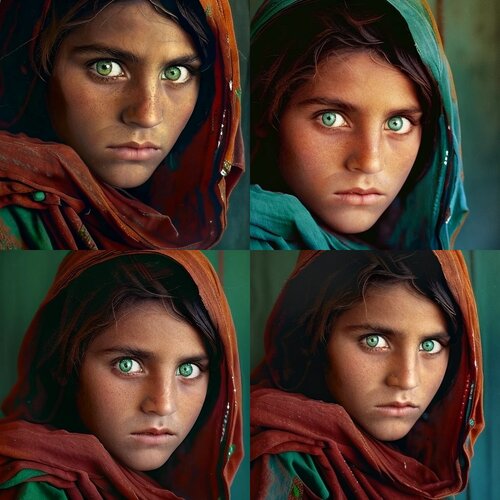
USAIn the US, the position is relatively clear: work created entirely by AI cannot receive copyright protection. US copyright law requires human authorship. A US court confirmed this principle in 2023 when it upheld the rejection of copyright registration for an artwork created autonomously by an AI system.
This does not mean that anything made with AI is excluded from copyright. If AI is used as part of a larger human creative process, the parts created by the person may still be protected. The difficult question is determining how much of the final work actually reflects human creative choices.
There is also a separate debate around the copyrighted material used to train generative AI models. Artists, publishers, media companies and AI developers are currently challenging where the boundaries should sit around training data, licensing and compensation.
For users of these tools, there is another consideration. AI models can potentially generate material that resembles existing copyrighted work. Using an AI generator therefore does not automatically remove the usual copyright risks associated with publishing or commercially using an image.
Can I still use AI generated art in my commercial project?
Often, yes. But this is a different question from whether you own the copyright. Your ability to commercially use an AI generated image depends partly on the terms of the service you used to create it. Some platforms grant broad commercial usage rights, while others place restrictions on how outputs can be used. Always check the terms of the specific tool before using generated material commercially.
What if I use AI as part of my creative process?
Using AI does not automatically remove copyright protection from your work.If you use AI for smaller tasks such as correcting text, retouching an image or assisting with parts of a larger work that you created, your human authored work can still be protected. The situation becomes more complicated when the AI generates substantial parts of the final work. With image generators, writing a prompt alone may not give you enough creative control over the resulting image to claim copyright over the output. However, if you select, arrange, combine or substantially modify AI generated material through your own creative decisions, those human contributions may qualify for copyright protection.
The easiest way to think about it is this: AI can be a tool in a copyrighted work, but the copyright protects the human creativity, not automatically everything the AI generated.
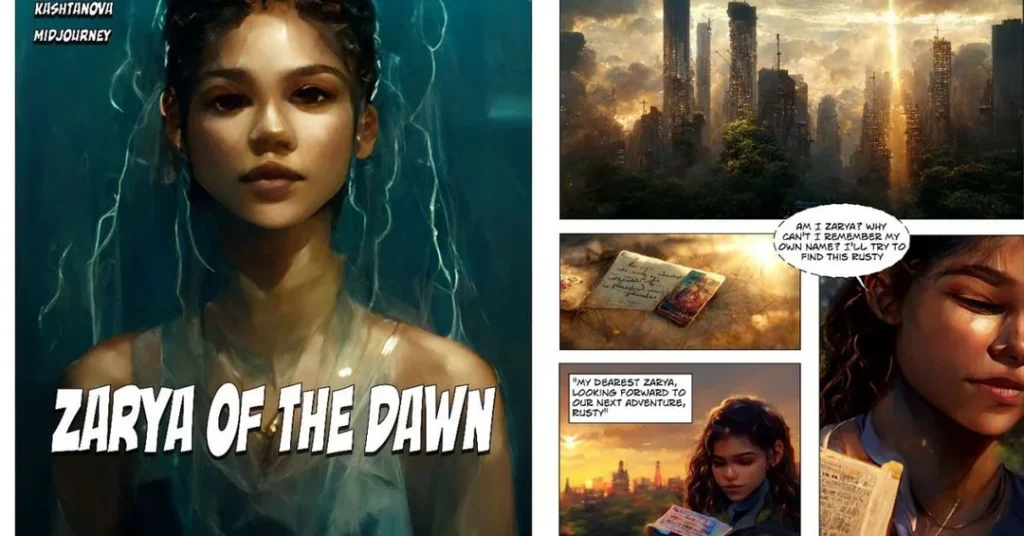
Case Study: “Zarya of the Dawn”
In 2022, artist Kris Kashtanova used Midjourney to create the visuals for the comic book Zarya of the Dawn. The work became an important early example of how US copyright law might apply when AI is part of the creative process. Kashtanova registered the comic with the US Copyright Office, which initially granted copyright protection. The Office later reconsidered the registration after learning that the individual images had been generated using Midjourney.The final decision drew an important distinction. Kashtanova could claim copyright over the text she wrote and the creative selection and arrangement of the text and images, but not over the individual images generated by Midjourney. The Copyright Office concluded that those images lacked the human authorship required for copyright protection. The case is a useful example of where the line currently sits. Using AI does not mean that an entire work loses copyright protection. A book, film, artwork or other creative project can contain AI generated material while its human created elements remain protected. What is not necessarily protected is the material generated by the AI itself.
The debate around AI and copyright continues to evolve in both Europe and the US. Questions around authorship are only one part of it. Courts and legislators are also dealing with issues around training data, licensing and whether AI generated outputs can infringe existing copyrighted works. For artists, designers and anyone using generative AI as part of a creative process, it is worth keeping these questions separate. Having permission from an AI platform to use an image commercially does not necessarily mean you own its copyright, and using AI somewhere in your process does not automatically remove copyright protection from the work you created yourself.
This post is not intended as legal guidance. If copyright ownership is important for a specific commercial project, consult a legal professional about your particular situation.
Update, September 2026
Since this article was first published in 2024, the legal picture around AI generated work has become clearer, particularly in the US.
The basic principle remains largely the same: using an AI tool does not automatically give you copyright over everything it generates. What matters is the amount of human creative authorship involved. In 2025, the US Copyright Office clarified that purely AI generated material cannot be copyrighted, and that prompting alone generally does not provide sufficient human control. However, human created elements of a work can still be protected when AI is used as part of a broader creative process.
In Europe, the question remains tied to existing copyright law and the requirement for human creative choices. One important clarification to the original article is that the EU AI Act does not determine who owns the copyright to an AI generated image. It regulates AI systems and introduces certain transparency requirements, while copyright remains a separate legal question. There is also an important distinction between usage rights and copyright. An AI platform may give you the right to commercially use an image you generate, but that does not necessarily mean the image itself qualifies for copyright protection.