
Apr 85FeatureMagic Fabric
4 Tips to Thrive as a Creative in the Age of AI
AI can already produce images, music, video and writing at a level that would have seemed unlikely just a few years ago. For people working in creative industries, the question is no longer whether these tools will affect the work. They already do. The more useful question is what skills become more valuable when making things becomes easier.

AI can already produce images, music, video and writing at a level that would have seemed unlikely just a few years ago. For people working in creative industries, the question is no longer whether these tools will affect the work. They already do. The more useful question is what skills become more valuable when making things becomes easier.
Tip #1. Get ready to learn new things You don't have to embrace every new AI tool that appears. But understanding what these tools can and cannot do is quickly becoming part of being a creative professional. Experiment with them. Learn where they save time, where they produce something genuinely useful and where they fail. Being critical of AI and learning how to use it are not opposing positions. In fact, it is difficult to make informed decisions about a technology you haven't actually used. There are also legitimate questions around copyright, training data and how creative work is being used to build AI systems. If those questions affect your work or company, get involved in them. Explore which tools are appropriate to use, how your own material should be handled and what rules need to be put in place. The tools themselves will keep changing. ChatGPT, Runway, Adobe Firefly and today's image and video models will eventually be replaced or evolve into something else. Learning one interface is therefore less important than understanding what the technology makes possible.Most importantly, don’t confuse the ability to generate something with the ability to make something good. AI can help you explore directions, prototype ideas and produce work faster. But deciding what is interesting, what fits the context and what deserves to exist still requires judgment. Taste, originality and the ability to make those decisions become more important when almost anyone can generate technically impressive content.
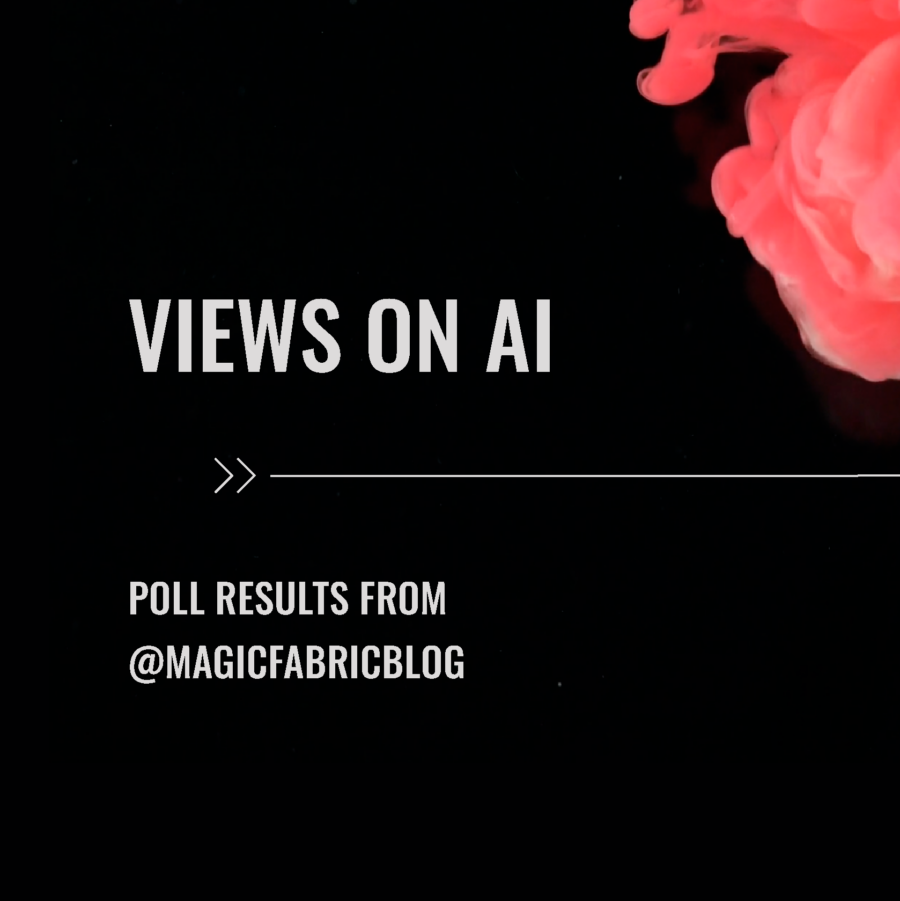
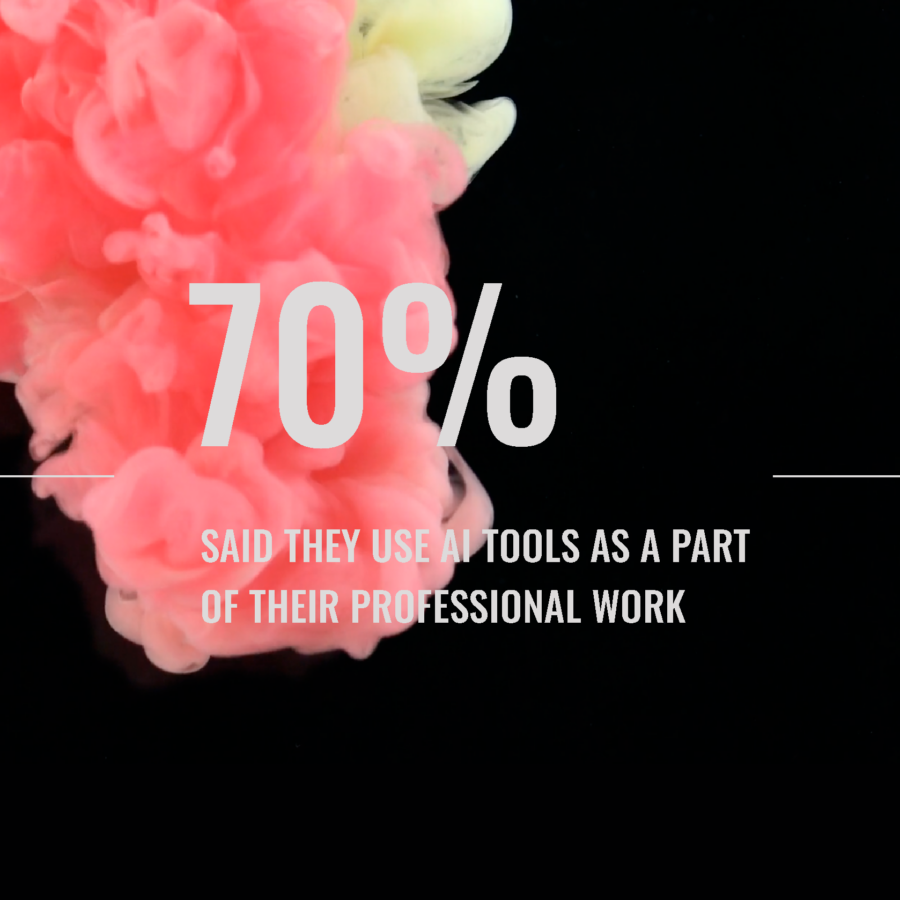
In March 2023, followers of Magic Fabric’s Instagram were asked about their views on AI and the future.
Tip #2: Master the skills AI cannot easily replace AI can imitate many of the outputs of creative work, which means relying on craft alone is becoming more difficult. The ability to set the direction of the work becomes increasingly important. Learn to think beyond execution. What are you trying to achieve? What is the idea? Who are you making it for? What should it make someone think or feel? These are questions that require context, judgment and an understanding of people, not simply the ability to produce an output. This matters particularly for junior creatives. Start thinking like a director earlier in your career. Instead of only asking how to make something yourself, learn how to direct different resources towards a result. AI can be one of those resources. Give it direction, challenge what it produces and use it to explore possibilities you might not have considered yourself. As execution becomes easier, knowing what to make and why becomes more valuable.
Tip #3: Collaborate with other creatives and build strong networks Creative work has never happened in isolation. Ideas get better when they are challenged, discussed and developed with other people. AI can generate endless suggestions, but it does not replace the experience of working with someone who brings a different perspective, expertise or lived experience to the table. Knowing how to listen, communicate an idea, give useful feedback and build on someone else’s thinking remains an important creative skill. Your network matters too. The people you work with expose you to new ideas, opportunities and ways of thinking. Build relationships with people who share your interests, but also with people who know things you don’t. As more parts of creative production become automated, the ability to work well with other people may become more valuable, not less.
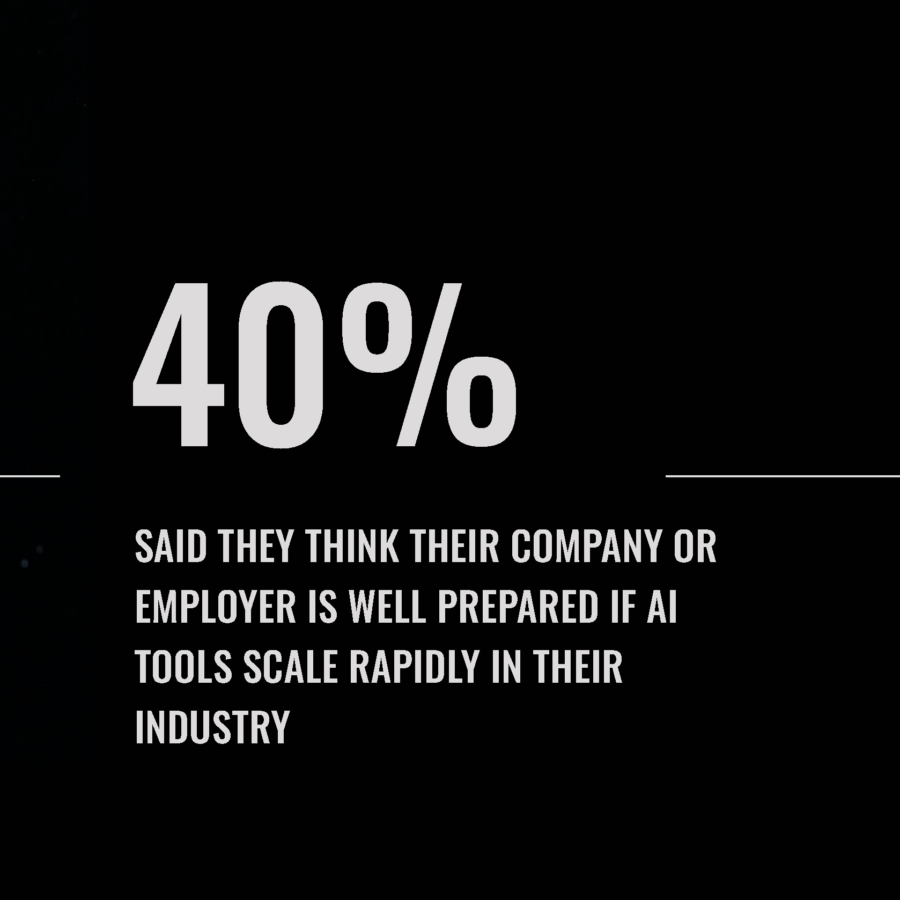
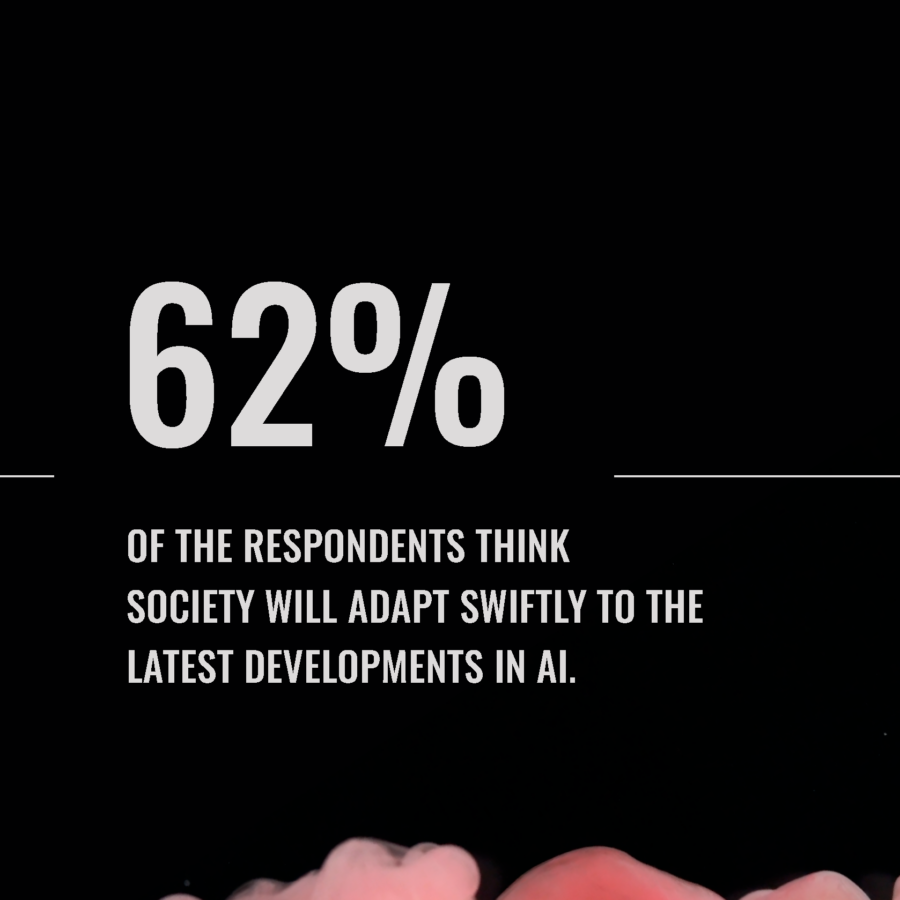
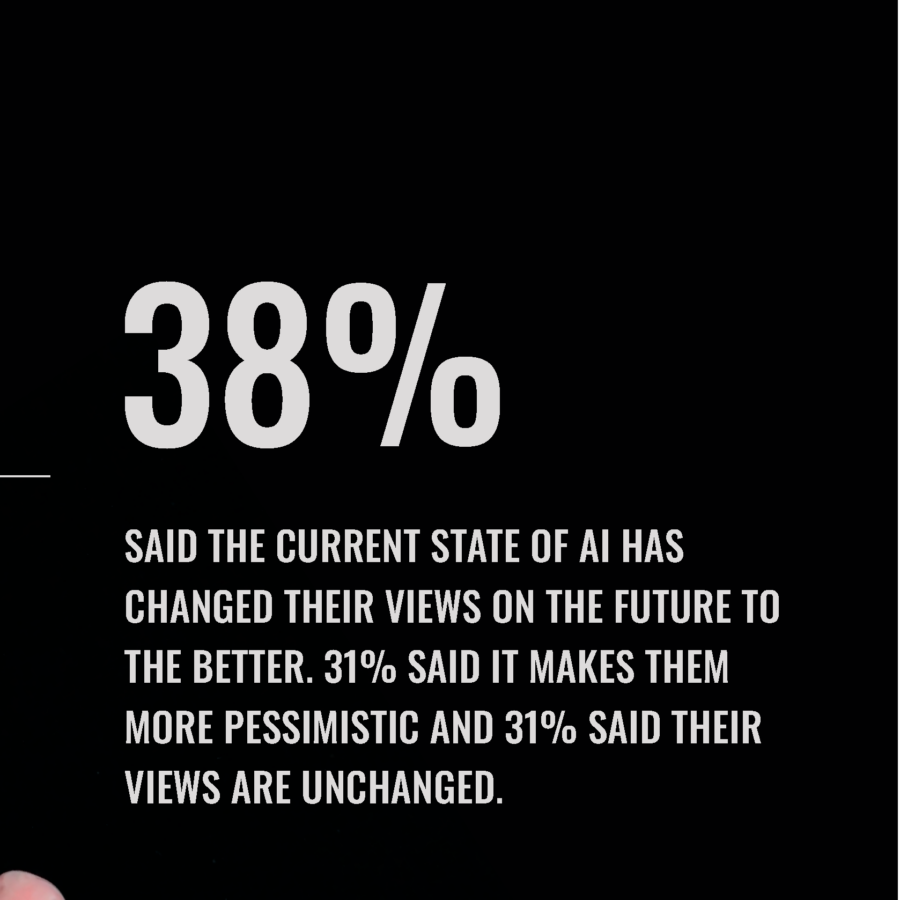
Results from Magic Fabric’s Instagram polls.
Tip #4: Keep learning and adapting None of this is set in stone. It is based on what AI can do today, and that is changing remarkably fast. Capabilities that seemed years away can arrive within months, while problems that appear almost solved can prove much harder than expected.That makes adaptability more useful than trying to predict exactly which creative skills will remain uniquely human. Some things we currently consider difficult for AI may eventually become easy. Other limitations may persist because of technical, legal or social reasons we cannot yet anticipate. So keep learning, experimenting and questioning your assumptions. We are in the middle of a significant technological shift, and there is still a lot we don’t know about where it will take creative work. And even if machines eventually become capable of doing much of what creatives do today, there is another question worth asking: would that actually stop you from creating?